
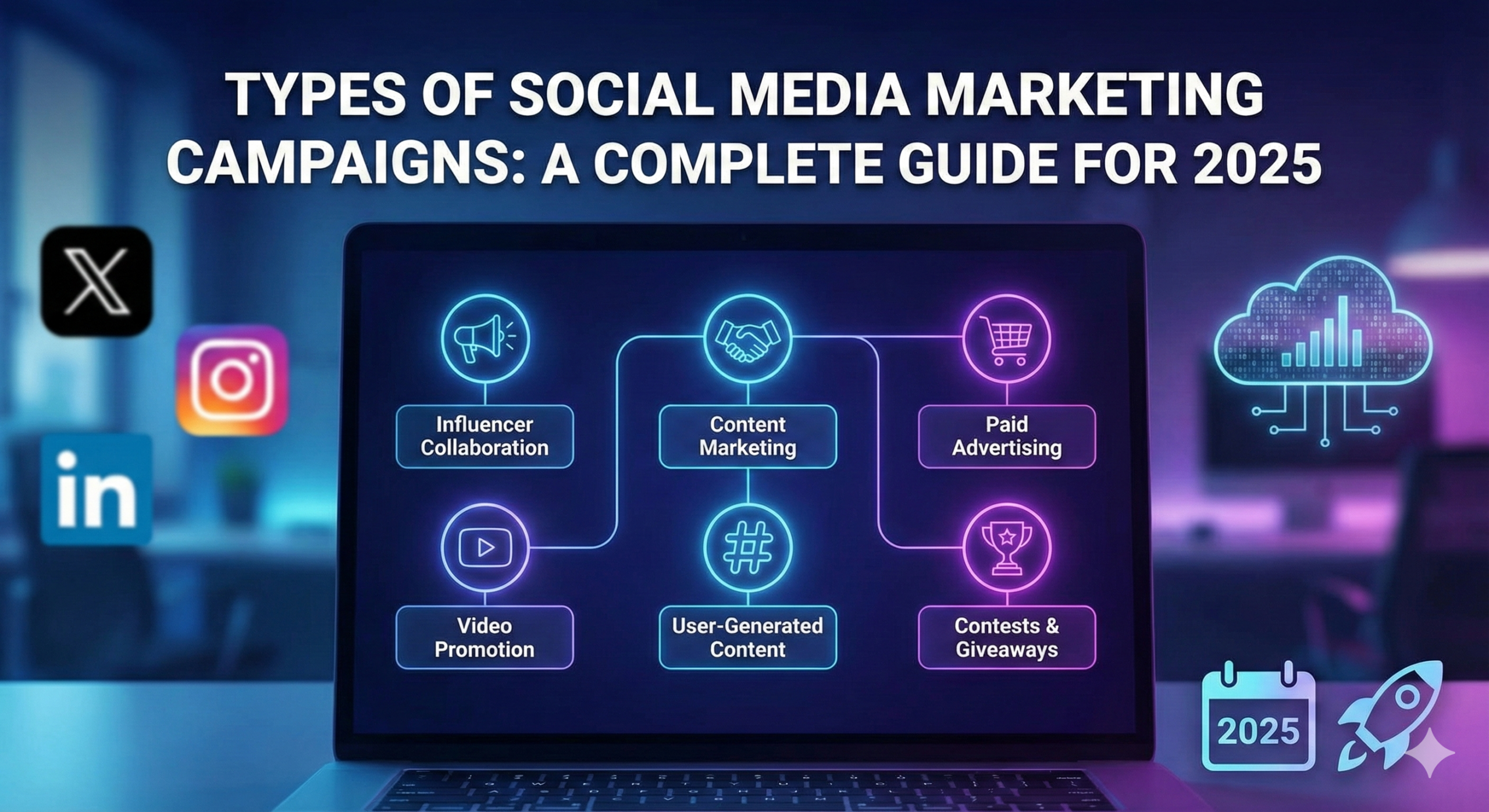

Social media has become the backbone of digital marketing. With over 5.42 billion people using these platforms globally, brands can’t afford to ignore this channel. But here’s the thing: not all social media marketing campaigns are created equal. Each type serves a different purpose and connects with audiences in unique ways.
If you’re planning your next campaign, understanding these different types will help you pick the right approach for your business goals. Let’s break down the main types of social media marketing campaigns that are working right now.
What Are Social Media Marketing Campaigns?
Before we jump into types, let’s get clear on what we’re talking about. A social media marketing campaign is a coordinated series of posts and activities across social platforms, designed to achieve a specific goal over a set period. Unlike regular posting, campaigns are strategic, measurable, and built around a clear objective.
The beauty of these campaigns is their versatility. Whether you’re launching a product, building brand awareness, or driving sales, there’s a campaign type that fits your needs.
Brand Awareness Campaigns
These campaigns focus on getting your brand in front of as many eyes as possible. The goal isn’t immediate sales but building recognition and positive associations with your brand.
Brand awareness campaigns work best when you’re launching something new or want to reach audiences who haven’t heard of you yet. Companies like Frame Makerzzz use brand awareness campaigns to showcase their expertise in explainer videos and animation services to new audiences across industries.
How they work: You create shareable, memorable content that reflects your brand values and personality. Think visual storytelling, behind-the-scenes content, or thought leadership posts that position you as an expert in your field.
Best platforms: Instagram, TikTok, YouTube, and LinkedIn all work well, depending on where your audience hangs out.
User-Generated Content Campaigns
User-generated content (UGC) campaigns turn your customers into your marketing team. You encourage people to create and share content featuring your product or service, often using a specific hashtag.
The power of UGC lies in its authenticity. People trust recommendations from real users more than branded content. Apple’s ongoing “Shot on iPhone” campaign remains one of the best examples, showcasing real photos taken by actual users.
Why they work: UGC builds trust, creates community, and gives you a steady stream of authentic content. Plus, it’s cost-effective since your audience does the heavy lifting.
Getting started: Create a branded hashtag, offer incentives for participation, and feature the best submissions on your channels. Make it easy and fun for people to join in.
Influencer Marketing Campaigns
Influencer campaigns partner your brand with social media personalities who already have the audience you want to reach. These collaborations can range from mega-influencers with millions of followers to micro-influencers with smaller, highly engaged communities.
The key is finding influencers whose values align with yours and whose audience matches your target market. When done right, influencer marketing feels natural and authentic, not like a hard sell.
Types of influencer content:
- Sponsored posts and stories
- Product reviews and unboxings
- Takeovers of your brand’s account
- Long-term brand ambassador relationships
Frame Makerzzz offers influencer marketing services as part of their social media marketing solutions, helping brands connect with the right voices in their industry.
Video Marketing Campaigns
Video content dominates social media right now. Platforms like TikTok, Instagram Reels, and YouTube Shorts prioritise video in their algorithms, making this format a must for most campaigns.
Video marketing campaigns can take many forms. You might create educational tutorials, entertaining skits, emotional storytelling, or behind-the-scenes looks at your business. The format you choose depends on your message and platform.
What makes video campaigns work:
- Short attention spans require quick hooks
- Authentic, relatable content beats overly polished production
- Sound design matters, even for short clips
- Captions are essential since many watch without sound
Companies specialising in video production, like Frame Makerzzz, help brands create compelling animated explainer videos and 2D/3D animation content that captures attention and drives engagement across social platforms.
Engagement and Community-Building Campaigns
These campaigns prioritise interaction over reach. The goal is to create conversations, build relationships, and turn followers into active community members.
Engagement campaigns might include Q&A sessions, polls, challenges, contests, or interactive stories. The focus is on two-way communication rather than broadcasting your message.
Tactics that drive engagement:
- Ask questions that invite responses
- Host live streams or AMAs (Ask Me Anything)
- Create challenges that encourage participation
- Respond promptly to comments and messages
- Share user comments and feedback
Conversion-Focused Campaigns
When you’re ready to drive sales, conversion campaigns are your go-to. These social media marketing campaigns target people who already know your brand and are ready to take action.
Conversion campaigns work best with warmed-up audiences, such as your existing followers, website visitors, or email subscribers. They typically include clear calls-to-action, limited-time offers, or special discounts to create urgency.
Elements of successful conversion campaigns:
- Clear, compelling CTAs
- Time-sensitive offers
- Easy path to purchase
- Retargeting for cart abandoners
- Social proof like reviews and testimonials
Paid Advertising Campaigns
While organic reach is valuable, paid social media ads let you target specific audiences with precision. Platforms like Facebook, Instagram, and LinkedIn offer sophisticated targeting options based on demographics, interests, behaviours, and more.
Paid campaigns can support any of the types mentioned above. The difference is you’re paying to ensure your content reaches the right people rather than relying on organic algorithms.
Common ad formats:
- Image and carousel ads
- Video ads
- Story ads
- Shopping ads
- Lead generation ads
Cause Marketing and Purpose-Driven Campaigns
Modern consumers, especially younger generations, care about the values behind the brands they support. Cause marketing campaigns highlight your commitment to social or environmental issues.
These campaigns work when they’re authentic. Don’t just jump on trending causes. Focus on issues that genuinely align with your brand values and where you’re taking real action.
What to keep in mind:
- Choose causes that connect to your brand mission
- Show concrete actions, not just statements
- Be transparent about your impact
- Invite your audience to participate
How to Choose the Right Campaign Type
With so many options, how do you pick? Start by getting clear on your goals:
- Want to reach new people? Try brand awareness or influencer campaigns.
- Need to boost sales? Go for conversion-focused campaigns with strong CTAs.
- Building long-term loyalty? Engagement and community campaigns are your friend.
- Launching something new? Video campaigns combined with paid ads can create buzz.
Most successful brands don’t rely on just one type. They mix and match, creating a content calendar that balances different approaches throughout the year.
Making Your Campaigns Work
Here’s the thing about social media marketing campaigns: the type you choose matters less than the execution. A mediocre influencer campaign will underperform a brilliant brand awareness campaign every time.
Focus on these fundamentals:
Know your audience. Create content that speaks directly to their needs, interests, and pain points.
Stay consistent. Your messaging, visual style, and tone should align across all campaign content.
Test and learn. Track your metrics, see what works, and adjust accordingly.
Stay authentic. People can spot fake enthusiasm from a mile away. Be genuine in your approach.
Whether you’re creating animated explainer videos through services like Frame Makerzzz or running DIY campaigns on your own, authenticity and strategy beat flashy production values every time.
The Future of Social Media Campaigns
Social media keeps evolving. Short-form video continues to dominate. AI tools are making content creation faster. And platforms are constantly tweaking their algorithms.
But the core principle remains: create value for your audience. Whether that’s entertainment, education, inspiration, or connection, give people a reason to pay attention to your brand.
The best campaigns of 2024 and 2025 share common threads. They tell stories, create emotional connections, invite participation, and respect their audience’s time and intelligence. They don’t just sell; they start conversations.
Frame Makerzzz specialises in creating compelling video content for social media campaigns, including explainer videos, 2D and 3D animation, and corporate videos. Visit Frame Makerzz to learn how professional video content can elevate your next social media marketing campaign.
FAQs About Social Media Marketing Campaigns
What’s the difference between social media marketing and social media campaigns?
Social media marketing is your ongoing presence on social platforms, including regular posts, engagement, and community management. Campaigns are focused efforts with specific goals and timelines, like launching a product or promoting an event. Think of marketing as the marathon and campaigns as strategic sprints within that longer race.
How long should a social media campaign run?
Most campaigns run between two weeks and three months, depending on goals. Short campaigns (1-2 weeks) work well for flash sales or event promotion. Medium-length campaigns (1-2 months) suit product launches. Longer campaigns (2-3 months) make sense for brand awareness or behaviour change. The key is having clear start and end dates with measurable goals throughout.
Can small businesses compete with big brands on social media?
Absolutely. Social media levels the playing field in ways traditional advertising never could. Small businesses often have advantages: more authentic voices, closer relationships with customers, and nimbler responses to trends. Focus on your unique value, engage genuinely with your community, and create quality content consistently. You don’t need a huge budget to make an impact.
Which social media platforms should my campaign target?
Choose platforms based on where your audience actually spends time, not where you think they should be. B2B companies often succeed on LinkedIn and Twitter. Visual brands thrive on Instagram and TikTok. YouTube works for educational content. Don’t spread yourself too thin. Start with one or two platforms where you can create great content consistently, then expand as you grow.
How do I measure if my social media campaign succeeded?
Define success metrics before launching. Brand awareness campaigns track reach, impressions, and follower growth. Engagement campaigns measure likes, comments, shares, and conversation rates. Conversion campaigns focus on clicks, sign-ups, and sales. Use platform analytics and tracking links to monitor progress. The most successful campaigns set specific, measurable goals upfront and adjust strategy based on real-time data.

