
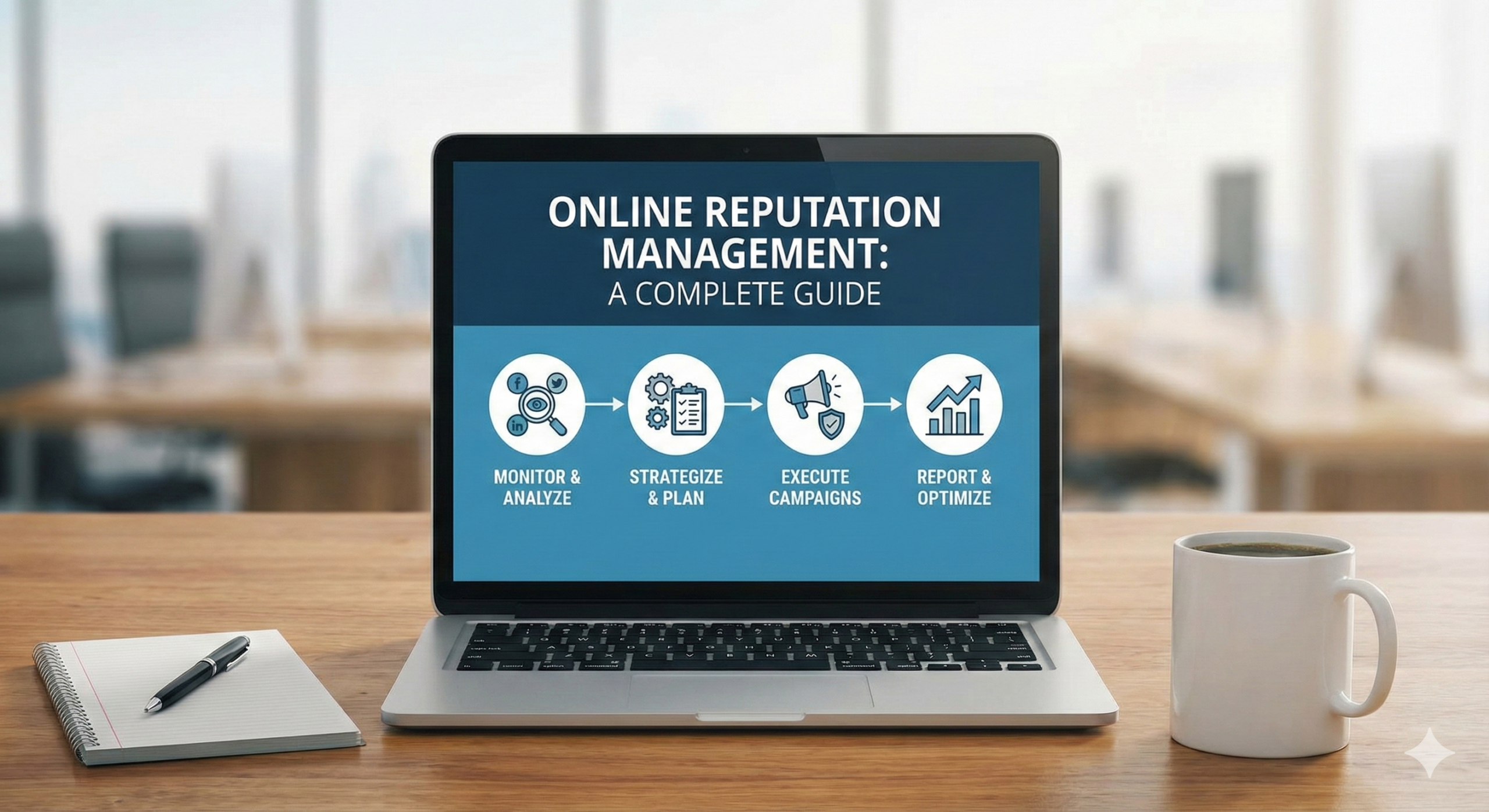

Your digital footprint speaks before you do. Whether you run a business, work as a freelancer, or manage a personal brand, what appears online about you shapes how people perceive your credibility. One negative review or misleading article can cost you customers, partnerships, or career opportunities. This is where online reputation management becomes essential.
What Is Online Reputation Management?
Online reputation management (ORM) refers to the process of monitoring, influencing, and controlling what appears about you or your business on the internet. It involves tracking mentions across search engines, social media platforms, review sites, and news outlets, then taking strategic action to build a positive digital presence.
The goal is simple: ensure that when someone searches your name or brand, they find accurate, favourable content that reflects your true value.
At Frame Makerzzz, we understand how visual content plays a role in shaping perceptions. Strong imagery and professional design contribute to building trust, which is why reputation management often goes hand-in-hand with quality content creation.
How Online Reputation Management Works: Step-by-Step
Managing your online reputation involves several interconnected processes. Let’s break it down.
1. Monitoring Your Digital Presence
The first step is knowing what people are saying about you. This requires regular monitoring across multiple channels:
- Search engine results (Google, Bing)
- Social media platforms (Facebook, Twitter, Instagram, LinkedIn)
- Review sites (Google Business Profile, Trustpilot, Yelp)
- Forums and community boards (Reddit, Quora)
- News articles and blog posts
You can use tools like Google Alerts, Mention, or Brand24 to receive notifications whenever your name or business appears online. This helps you respond quickly to both positive and negative mentions.
2. Analysing the Sentiment
Once you gather data, the next step is understanding the tone. Are people praising your products? Complaining about service? Sharing neutral experiences?
Sentiment analysis helps you identify patterns. If multiple customers mention slow delivery times, you know where to improve. If positive reviews highlight excellent customer service, you can amplify that strength in your marketing.
3. Responding to Feedback
Engagement matters. Responding to reviews and comments shows you care about customer experience. When someone leaves a positive review, thank them. When someone posts a complaint, address it professionally and offer solutions.
Here’s why this matters:
- Builds trust: Potential customers see you take feedback seriously
- Reduces damage: Quick responses can prevent negative situations from escalating
- Shows authenticity: Real engagement makes you relatable
Never ignore negative feedback. Silence often makes things worse. Instead, acknowledge the issue, apologise if needed, and explain how you plan to resolve it.
4. Creating Positive Content
One of the most effective ORM strategies is drowning out negativity with quality content. When you publish valuable articles, case studies, testimonials, and social media posts, you push older, less favourable content down in search results.
Content creation includes:
- Blog posts on your website
- Guest articles on reputable industry sites
- Social media updates showcasing your work
- Video content demonstrating your expertise
- Press releases about achievements
Frame Makerzzz specialises in creating visually engaging content that captures attention and builds brand authority. Strong visuals paired with well-written copy help establish a professional image that search engines reward.
5. Search Engine Optimisation
SEO ensures your positive content ranks higher than negative mentions. This involves:
- Targeting relevant keywords related to your brand
- Optimising meta descriptions and title tags
- Building backlinks from authoritative websites
- Creating fresh, high-quality content regularly
- Ensuring your website loads quickly and works on mobile devices
When done correctly, SEO pushes your owned content to the top of search results, giving you control over your narrative.
6. Managing Social Media Profiles
Social media profiles often appear at the top of search results. Keep them active, professional, and consistent. Use the same profile picture, bio, and brand messaging across platforms.
Post regularly to show you’re active and engaged. Share industry news, behind-the-scenes content, customer success stories, and helpful tips. This builds a positive impression and keeps your profile ranking well.
7. Addressing Negative Content
Sometimes, you encounter false or defamatory content that damages your reputation. Here’s how to handle it:
- Contact the source: Politely request removal if the content is inaccurate
- Flag violations: Report content that violates platform guidelines
- Legal action: Consider legal remedies for defamation or false claims
- Suppress with positive content: Use SEO to push negative results down
Not all negative content can be removed, but you can minimise its impact by building a stronger positive presence.
Why Online Reputation Management Matters
Your reputation directly impacts your bottom line. Studies show that consumers read an average of seven reviews before trusting a business. A star increase in ratings can boost revenue by 5-9%.
Beyond sales, a strong reputation attracts better talent, opens partnership opportunities, and builds long-term brand loyalty. People want to work with and buy from brands they trust.
For creative agencies like Frame Makerzzz, maintaining a solid reputation means clients feel confident choosing your services over competitors. Your portfolio and client testimonials become powerful assets that reinforce your expertise.
Common Tools Used in Online Reputation Management
Several tools simplify the ORM process:
- Google Alerts: A Free tool that notifies you of new mentions
- Hootsuite: Manages social media monitoring and posting
- ReviewTrackers: Aggregates reviews from multiple platforms
- SEMrush: Tracks keyword rankings and competitor analysis
- Brandwatch: Provides detailed sentiment analysis
While tools help, human judgment remains critical. Automated responses feel impersonal. Thoughtful, personalised engagement makes the real difference.
Building a Long-Term Reputation Strategy
Online reputation management isn’t a one-time fix. It requires ongoing effort. Start by establishing clear brand guidelines that define your voice, values, and messaging. Train your team on proper social media etiquette and customer service protocols.
Create a crisis management plan, so you’re prepared when issues arise. Decide who responds to complaints, how quickly, and what tone to use. Having a plan prevents panic and ensures consistency.
Regularly audit your online presence. Schedule monthly reviews to check what’s ranking, read recent reviews, and update outdated content. Proactive management prevents small issues from becoming major problems.
Final Thoughts
Your online reputation isn’t something you can ignore. It grows with or without your input. The question is whether you’ll actively shape that narrative or let others control it.
Online reputation management works by combining monitoring, engagement, content creation, and strategic SEO. It requires patience, consistency, and a commitment to genuine customer service. When done right, it protects your brand, builds trust, and drives growth.
Start today by searching your name or business. What appears? That’s your current reputation. Now you know how to make it better.
FAQs About Online Reputation Management
Q1: How long does it take to see results from online reputation management?
Results vary depending on the situation. Simple tasks like responding to reviews show immediate impact, while suppressing negative content through SEO can take 3-6 months. Consistency matters more than speed. Regular monitoring and content creation gradually build a stronger presence that becomes harder to damage.
Q2: Can negative reviews be removed from Google?
Google only removes reviews that violate its policies, such as fake reviews, spam, or content containing hate speech. Genuine negative reviews, even if harsh, typically stay. Your best response is addressing the complaint professionally and encouraging satisfied customers to leave positive reviews, which balances the overall rating.
Q3: Is online reputation management only for businesses?
Not at all. Individuals, especially professionals, freelancers, and job seekers, benefit greatly from managing their online presence. Potential employers and clients often search your name before making decisions. A clean, professional digital footprint improves your chances of landing opportunities. Personal branding is reputation management for individuals.
Q4: How much does professional ORM cost?
Costs range widely based on needs. Basic monitoring tools start free or cost under ₹5,000 monthly. Comprehensive ORM services from agencies can range from ₹25,000 to several lakhs per month, depending on the scale and severity of reputation issues. Many businesses start with DIY approaches and hire professionals when facing crises.
Q5: What’s the difference between ORM and public relations?
Public relations focuses on building relationships with the media and creating positive coverage. ORM specifically targets your online presence across search engines, review sites, and social platforms. PR is one component of ORM, but ORM encompasses broader digital strategies, including SEO, review management, and content creation across all online channels.

